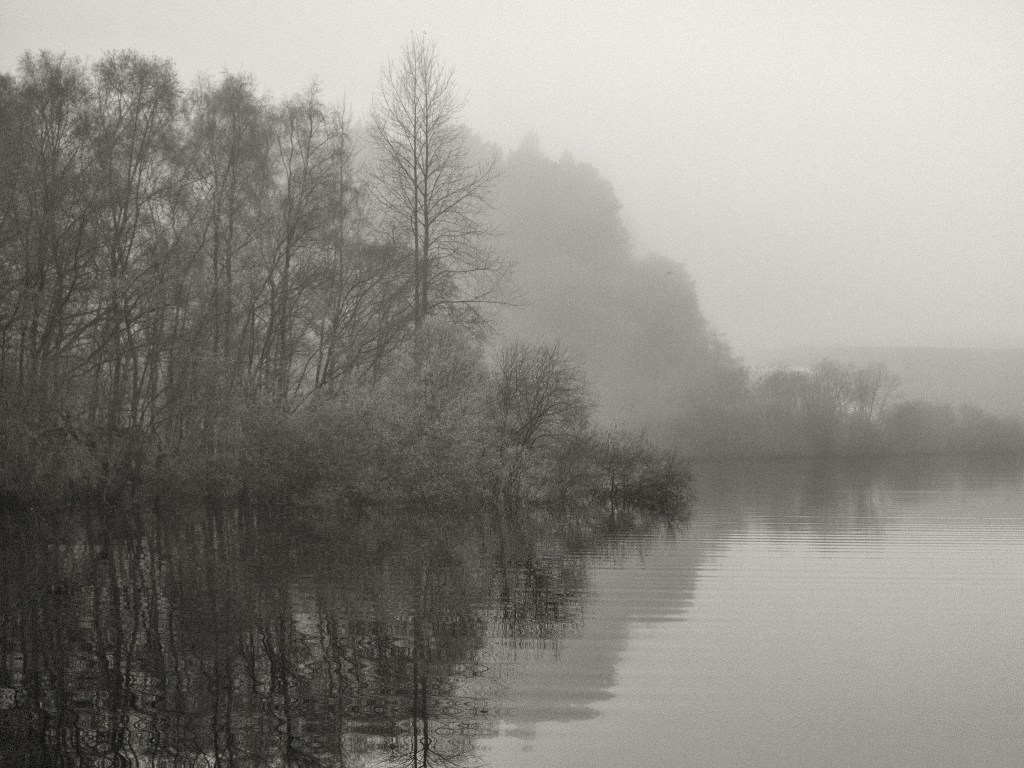
I’ve always enjoyed landscape photography, although I have to admit I’m often disappointed with the results. The experience of being out in the landscape, breathing the fresh air and simply taking in my surroundings, is what I enjoy most. Having a camera is often just an excuse to get outside and spend time looking, noticing and appreciating the world around me.
When I review my photographs after a day in the countryside, or by the sea, I often feel that something is missing. The image may be technically fine, even beautiful, but it doesn’t quite capture the experience of being there. The best way I can describe it is that it’s like an opera stage before the performance begins. The set may be magnificent, but it isn’t complete until the actors arrive and the story unfolds.
A landscape is much the same. It is a stage on which countless performances take place. Sometimes the actors are the weather: a dramatic storm rolling in, towering clouds gathering on the horizon, or shafts of sunlight breaking through after rain. Sometimes they are the wind bending the trees or rippling long grass. At other times, the performance is only hinted at through the traces left behind—a line of broken dry-stone walls, an abandoned shepherd’s hut, or the worn path of generations who have walked there before.
People, of course, bring their own stories to the landscape. Walkers, cyclists and farmers all become part of the scene, adding movement, purpose and a sense of life.
I’ve often thought that painters such as John Constable understood this particularly well. Constable didn’t simply paint grand landscapes; he filled them with the everyday activities of ordinary people. One of my favourite paintings includes a pile of manure being tended by farm workers. It’s probably not the sort of image you’d choose for a tin of chocolates, but it reminds us that landscapes are places where people live and work, not just picturesque views.
Beyond the activity within the scene, there is another performance taking place—one inside the viewer. A landscape can stir memories, evoke emotions and remind us of other places or times. It can also bring back the physical sensation of standing in the wind, feeling the warmth of the sun, or hearing rain approaching across the hills. These experiences are impossible to record directly, yet they are often the most important part of being there.
Perhaps that’s why, when I look at a landscape photograph, I find myself asking not just what is in the picture? but what is missing?
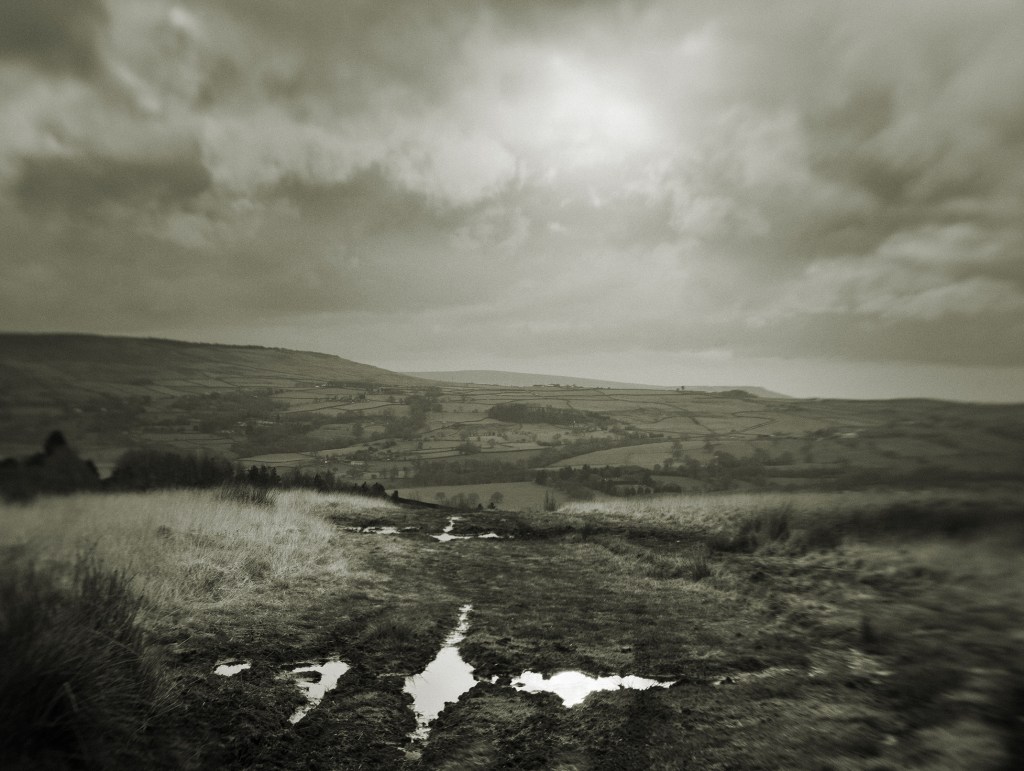
I like to think of my own photographs as interpretive landscapes rather than simple records of a place. My aim is not only to show what was there, but also to suggest what was felt—to hint at memories, movement, atmosphere and the passage of time. I’m interested in photographs that reach beyond the single captured moment and evoke something of the much broader story unfolding before and after the shutter was pressed.
Beautiful landscapes are to be treasured and I hope my photographs are beautiful too. But the landscape images that excite me most are those that offer something more than beauty alone. They invite us to imagine the unseen, to sense the life beyond the frame, and to complete the performance ourselves.


Leave a Reply