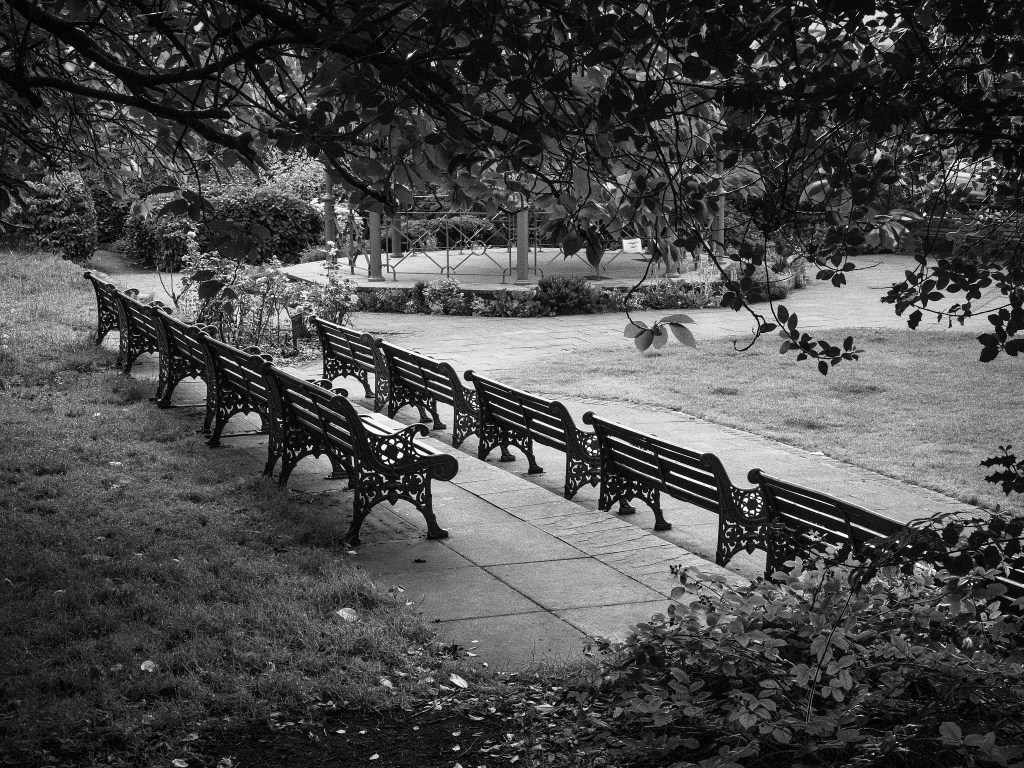
In this post, I want to talk about two aspects of photography that I believe are absolutely essential: composition and storytelling.
Composition
Let’s start with composition.
Composition is one of the few areas in photography where we have complete control. It’s where we can truly add something unique and personal — our way of seeing the world.
But composition is more than simply arranging shapes and lines in a pleasing way. It’s also about how we use colour, tone, and light to guide the viewer’s eye through the image. I see colour and tone, along with lines and shapes, as all part and parcel of composition.
I like to think of composition as design — the design of a photograph. How do all the visual elements fit together? How do they work as a whole? Good composition is about what some people might describe as harmony: the way shapes, lines, tones, and colours interact to create balance, rhythm, and flow.
Storytelling
Now to the second aspect: storytelling.
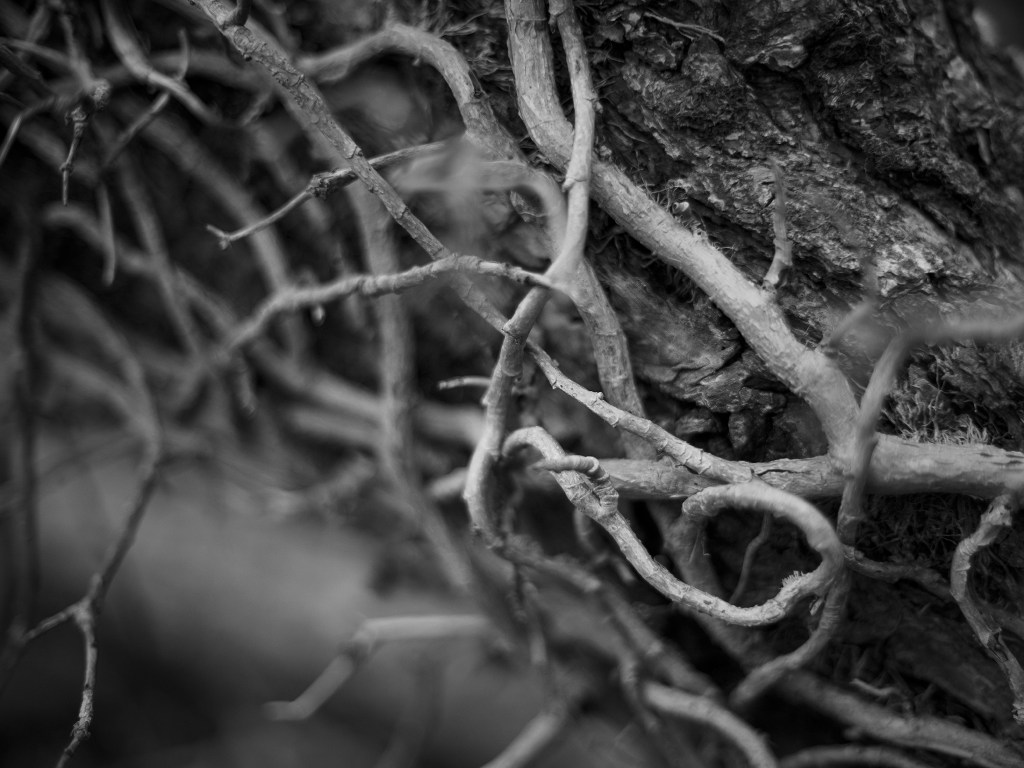
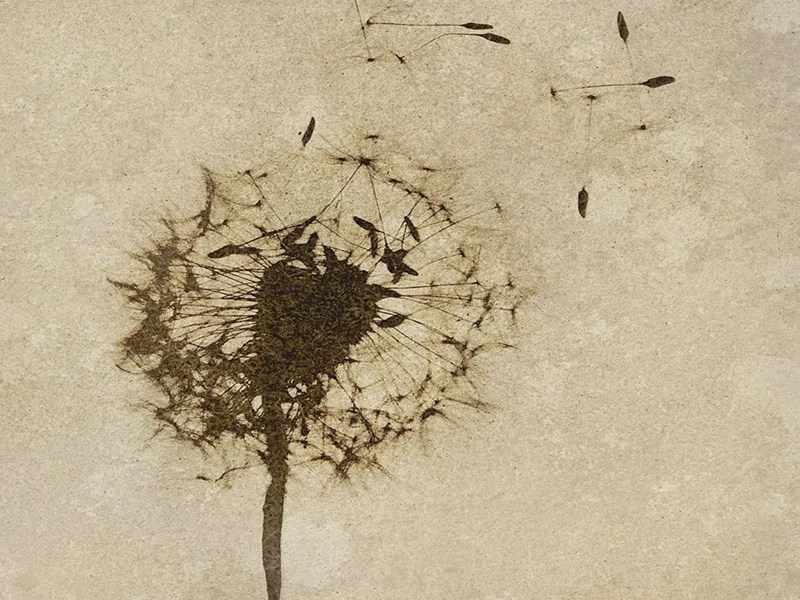
When I talk about storytelling in photography, I don’t necessarily mean showing a literal story. It’s not always about a clear narrative within the frame. Often, it’s about creating a sense of story — hinting at something that feels as though there’s more happening beneath the surface. You can’t always explain it, but you sense it.
That subtle uncertainty is powerful. It invites the viewer in. It makes them curious and encourages them to use their imagination.
For me, that’s what makes an image memorable — when it leaves space for interpretation rather than spelling everything out. If a photograph is too literal or obvious, it can end up feeling a bit contrived.
Beyond Rules and Definitions
So composition and storytelling — those are the two areas I’m constantly thinking about and practising in my own photography (and failing at, most of the time).
But there’s another layer to all this — something about how we talk about photography itself.
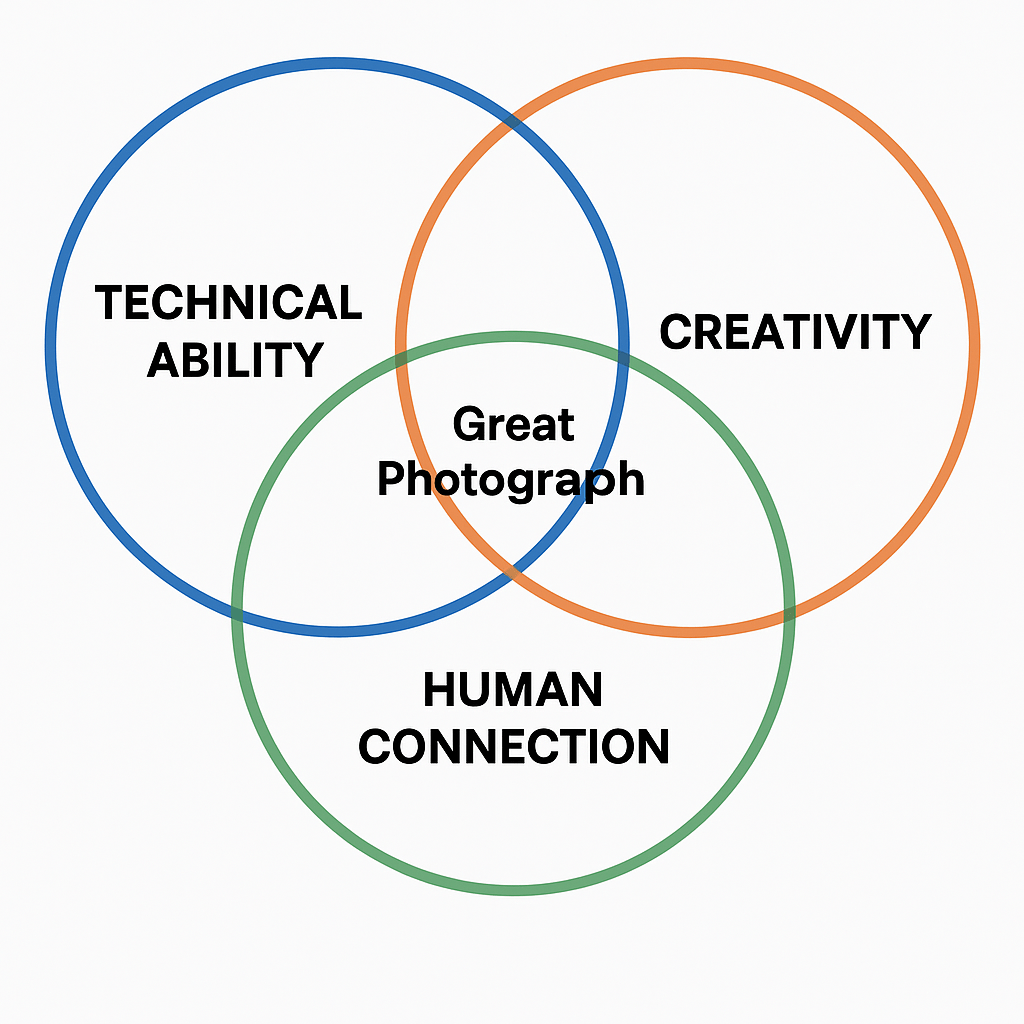
When we try to explain concepts like composition or storytelling in words, we often end up simplifying something that’s deeply intuitive. Language helps us communicate ideas, but it can also trap us in definitions and formulas. Photography, at its core, is a visual language, not a verbal one. It’s something we need to feel rather than explain.
The moment we try too hard to define what composition “should” be or how a story “should” be told, we risk losing the magic. Creativity doesn’t live in rules — it thrives in openness and curiosity.
Maybe we need to loosen our grip a little. Instead of trying to control every element or chase a perfect formula, we can allow ourselves to respond emotionally to the scene in front of us. When we do that, photography becomes a kind of dialogue with the subconscious — a way of discovering parts of ourselves we didn’t know were there.
So perhaps what I’m really saying is this:
Let’s bring the mystery back into photography.
Let’s make it less about certainty and more about emotion, intuition, and imagination.
Let’s move away from rigid rules and embrace photography as something deeply human — something we feel our way through.


 Mark Waddington