Category: Uncategorized

  • A Studio Session at Ilkley Camera Club

    A Studio Session at Ilkley Camera Club

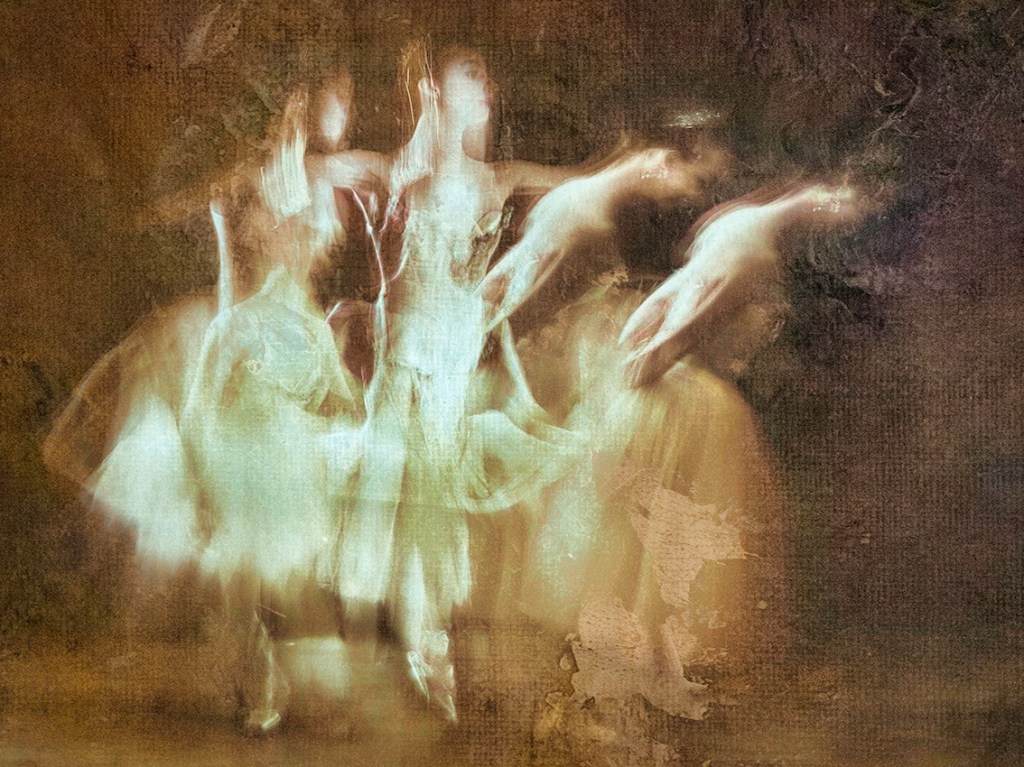
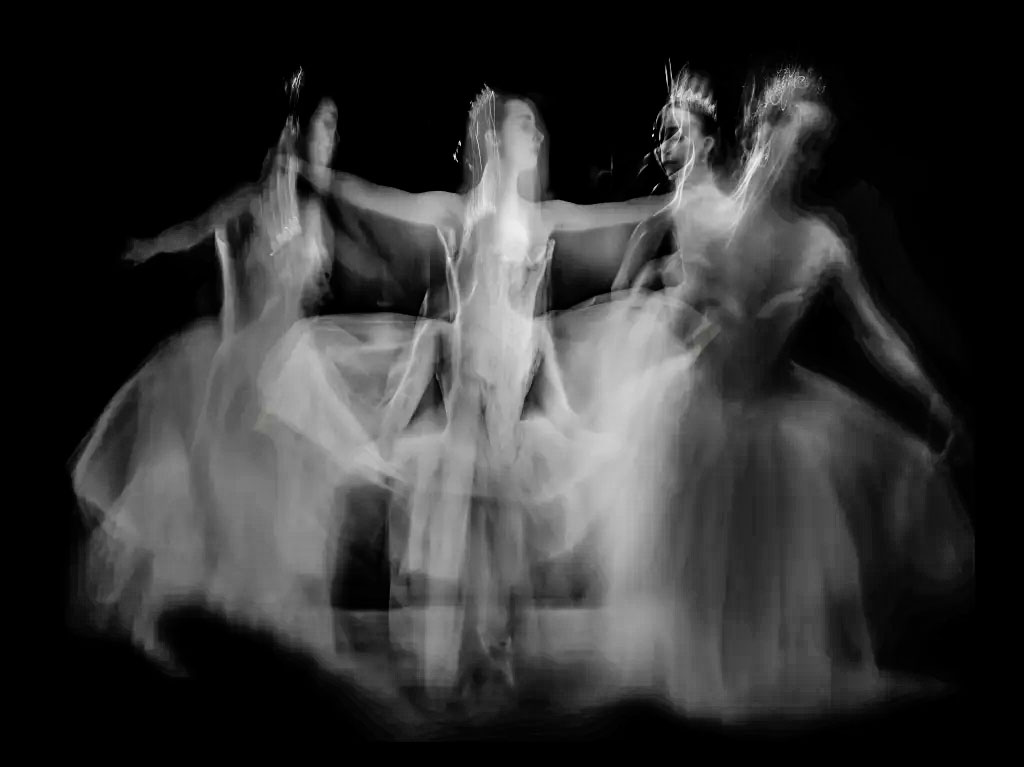
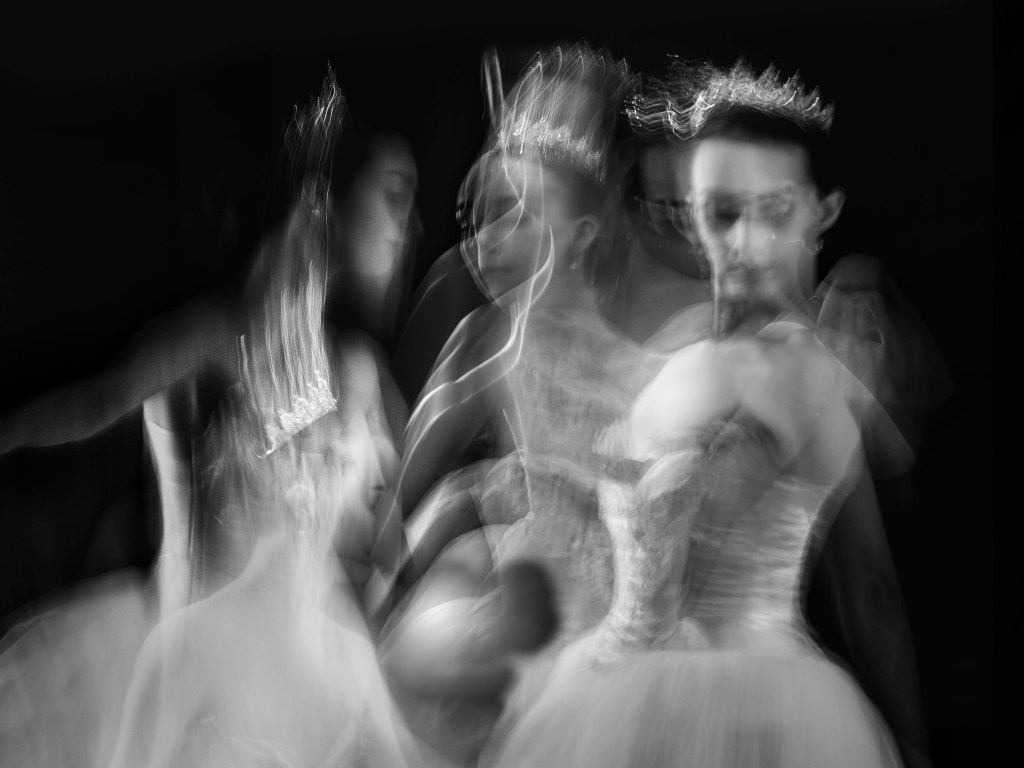
    Tonight at Ilkley Camera Club we had a fascinating practical studio session with Tabitha Boydell and model Erica Mulkern.

    Tabitha Boydell runs a business offering location shoots in some of the most lavish and visually striking settings around the country. Her events provide access not only to beautiful venues, but also to professional lighting setups, experienced models, and carefully curated costumes. (You can explore her work through her website.)

    This kind of session isn’t something I’ve done before. However, looking through Tabitha’s portfolio, many of the resulting images are truly spectacular.


    More Than Just “Taking the Shot”

    During the evening, Tabitha worked closely with Erica Mulkern to pose and create a studio lighting arrangement for us to use. Sessions like these are necessarily limited — especially when several photographers are sharing time and wanting to practise — but they offer an excellent opportunity to refine technical skills, particularly with strobe lighting, and to work with an experienced model.

    Yet beyond the technical learning, I was eager to explore something deeper.

    In a setting where the location, the lighting, and the model are already carefully prepared, the temptation is simply to “take the shot.” But a photograph is not merely a picture of something attractive. It is the outcome of a relationship — a “dialogue” between the photographer and the subject.


    Entering the Dialogue

    It is relatively easy to photograph something already beautiful: an elegant dancer, a dramatic landscape, a poised model. But what has the photographer contributed? What has been added beyond competent exposure and composition?

    The real challenge in creative photography is not simply to record beauty, but to respond to it — to enter into dialogue with it — and to allow that exchange to shape the final image.

    When photographer and subject truly interact, something new emerges. The subject offers presence, expression, character. The photographer brings interpretation, intention, and vision. The resulting photograph is not merely the sum of these parts, but something unique — a third thing born of that interaction.


    Bringing Ourselves Into the Frame

    In studio sessions like this, the question becomes: is it enough to capture what is placed before the camera, or should we bring something of ourselves into the frame?

    Looking at Tabitha’s portfolio, it is clear that many photographers who attend her sessions do more than document the scene. They add a layer of imagination — a personal response that transforms a well-arranged opportunity into something distinctly their own.

    Perhaps the true challenge, whenever we encounter a beautiful subject, is not simply to photograph it well, but to enter into a kind of conversation: to listen, to respond, and to shape something individual out of that relationship.

    In that sense, photography is less about taking and more about engaging — and the image becomes the visible trace of that conversation.

  • Story, History, and Playing with What’s Next

    Story, History, and Playing with What’s Next

    I had the pleasure of judging two print competitions at the Leeds Photographic Society last night. I loved the buzz of enthusiasm and friendliness. What also struck me wasn’t just the quality of the work, but the depth of the club’s history.

    Founded in 1852, it’s widely regarded as the oldest photographic society in the world — even older than the Royal Photographic Society. That’s quite something in a medium that has changed as dramatically as photography.

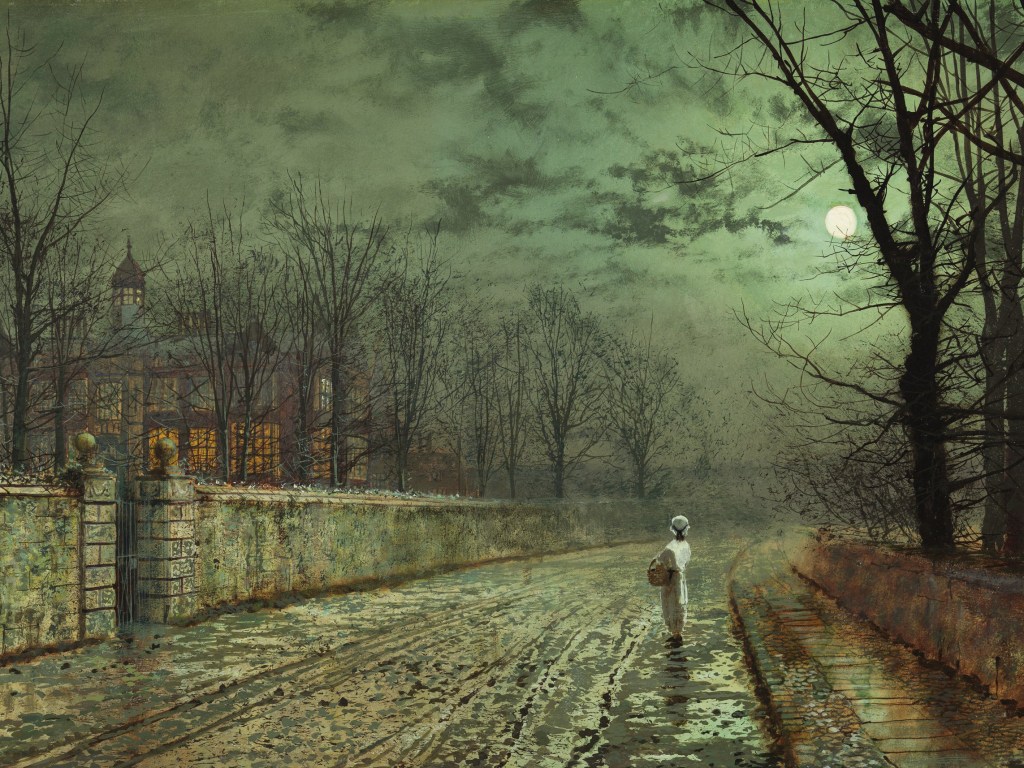
    I was introduced to some of that history recently at Leeds Art Gallery, seeing the work of John Atkinson Grimshaw, who joined the society in 1890. He worked at a time when painting and photography were in creative tension. Rather than resisting photography, he absorbed its influence — especially its handling of light — and let it shape his “moonlight” paintings.

    I’m not nostalgic for the past. There’s no point in trying to go backwards. But story matters. We all stand in the middle of one. The past shapes us, even as we move forward.

    At the competition, one self-portrait had been made using a flatbed scanner. The photographer placed her face on the glass and moved during the scan, creating strange, beautiful distortions. Others used sophisticated digital techniques in Photoshop. Different tools, same spirit: experiment and see what happens.

    It’s encouraging to see the Leeds Photographic Society — and many others — still thriving after so many years. But I sometimes feel that the approach to photographic competitions has remained a little static. Judging often still places heavy emphasis on technical perfection.

    Fifty or a hundred years ago, that made sense. Photography was technically demanding. Mastering exposure, focus, film choice, and the darkroom required real expertise. Technical competence was an achievement in itself.

    Today, technology is far more accessible. Good technical results are easier to achieve. Technical standards are now the starting point, not an end in themselves, as I’ve said before.

    Perhaps that’s the thread running from Grimshaw’s time to ours. The question isn’t how to preserve the past, but how to respond to what’s in front of us. If Grimshaw were alive today, I doubt he would ignore new technology. He would probably be playing with it.

    So how can these clubs and societies move forward while drawing on their past? How can they appeal to a new generation of photographers?

    I think the spirit of creativity is alive and thriving for those who are prepared to experiment — whether it’s sticking your face in a scanner, light painting with a torch at night, or taking photographs in the manner of J. M. W. Turner in the middle of a storm. Photography and creative expression should be exciting, and perhaps even dangerous.

    I hope the Leeds Photographic Society can keep the spirit of John Atkinson Grimshaw alive — not as a place of comfort and familiarity, but as a call to embrace the new and unfamiliar. To create something not seen before.

  • You Can’t Buy Photographic Excellence

    You Can’t Buy Photographic Excellence

    As I continue my journey in photography — particularly through critique sessions where we analyse images in detail — I’m finding myself increasingly weary of how much time we spend discussing technical aspects.

    There’s so much hype around camera equipment and its supposed ability to deliver technically perfect results. Sometimes I worry that we’re being hoodwinked into believing that “off-the-shelf excellence” can simply be purchased by upgrading to the latest gear.

    When I watch YouTube videos or scroll through Instagram, I’m inundated with adverts promising that this lens, that camera body, or some new accessory will elevate my photography. But the truth is, most of this equipment will not upgrade my photographic excellence — unless it comes with a brain transplant.

    A Refreshing Perspective

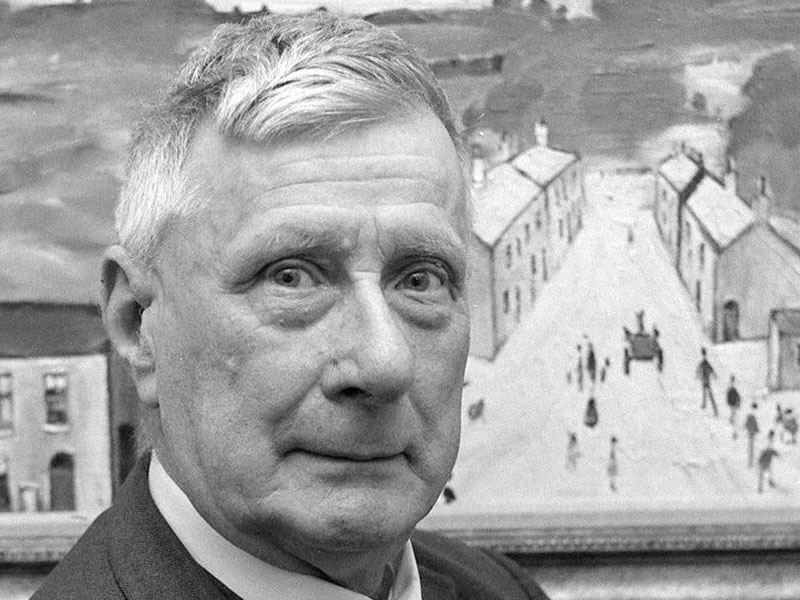
    That’s why it was so refreshing to attend a photo judging session with David Oxtaby the other night.

    While he acknowledged technical excellence, he made it clear that the real priority was emotional impact. That struck a chord with me. In the end, I sincerely believe it’s the emotional connection we feel with an image that truly matters.

    Technique Is the Starting Point, Not the Summit

    I want to be careful here. I’m not criticising the pursuit of technical excellence. In fact, I’ve written before that technical skill is essential — but it’s a starting point, not an endpoint.

    Once we’ve mastered the basics of exposure, focus, and composition, we’ve reached base camp. From there, we look up at the mountain. The real climb begins when we strive to express our stories, feelings, and identities through our photographs.

    Photographic excellence cannot be bought from Sony, Fujifilm, or Canon. It comes from passionate engagement with artistic expression — from the effort to create work that is emotionally engaging and culturally meaningful.

    Judging with the Heart as Well as the Head

    I’m currently judging another competition for a camera club in Leeds. Inspired by David’s session last week, I’m trying to be more deliberate in my approach — to slow down, meditate on each image, and pay attention to my emotional response.

    It may be that I’ll be criticised for not focusing heavily enough on technical aspects. My decisions may seem subjective. But if photographs are meant to strike deeper into the soul — if they are meant to move us — then technique alone is not enough.

    I do worry that I might confuse some people. But I’ll do my best to explain my reasoning. And perhaps there will be a few kindred spirits who align with my belief that truly powerful photography is not just seen — it is felt.

  • Reflections on Judging a Camera Club Competition

    Reflections on Judging a Camera Club Competition


    Last night I had the pleasure of judging at a local camera club, and I came away with several reflections I’d like to share.

    First, the club itself deserves real credit. It is friendly, welcoming, and clearly growing in membership. There is a wide range of ages and photographic interests represented, and it stands out as one of the most welcoming clubs I’ve judged at. It appears well organised, and the competition entries showed a broad spectrum of experience and ability. But drawing from my experiences over the last year of so …

    The Confidence Question

    One story I hear again and again when visiting clubs is that competitions tend to be dominated by a small core of regular winners. Those with less confidence often hesitate to enter at all.

    Confidence is a real issue. Competitions can, unintentionally, become divisive. They can create a perceived hierarchy — a sense that some members are “better” than others. This can become self-fulfilling: the confident members grow stronger and more assured, while the less confident gradually withdraw.

    That is not healthy for any creative community.

    The Double-Edged Nature of Competition

    I have genuinely enjoyed judging competitions over the last year or so. In fact, it has improved my own photography. Being required to articulate what makes a strong image forces clarity of thought. And when I cannot define precisely why an image works, I’ve learned to relax into that mystery rather than cling rigidly to rules.

    Competitions are, in many ways, a double-edged sword.

    On the positive side:

    • They encourage participation.
    • They stimulate engagement with club activities.
    • Judging can promote technical learning and progress.

    But we must also be aware that the very mechanisms that make competitions effective can, if unchecked, become corrosive.

    When Photography Becomes a Sport

    In some instances, club photography begins to resemble a sport. League tables, points systems, and rankings can feel uncomfortable. Elevating particular individuals to near-celebrity status may satisfy some egos, but it risks distorting the purpose of the club.

    Judging outcomes are inevitably limited. They are shaped by:

    • The subjective views of the judge.
    • A relatively narrow set of criteria designed to ensure fairness.

    Ironically, those criteria can sometimes reduce photography to a prescriptive formula — encouraging rule-following over artistic exploration.

    That said, I do not wish to be overly negative. For many members, the competitive element is exciting, stimulating, and rewarding. It adds energy and focus.

    But we must remain mindful of those who feel excluded by it.

    Risk-Takers and Rule-Followers

    Over the years, I have seen many innovative and creative photographers willing to experiment and take risks. They produce unusual, sometimes challenging work. If that work is dismissed because of technical “imperfections,” those individuals may feel discouraged.

    This creates two broad tendencies:

    • Those who conform to established rules and feel rewarded.
    • Those who experiment and feel undervalued.

    Of course, this is a generalisation. Reality is more nuanced. But the risk is real enough that we should be alert to it.

    Returning to Founding Values

    Camera clubs and photographic societies would benefit from revisiting their founding values.

    If a club genuinely aims to be open and to encourage photographic progress — not just personal achievement, but the development of photography itself — then it must embrace a wide range of approaches, styles, and philosophies.

    Photography has transformed radically since its inception, particularly in recent years with digital techniques and artificial intelligence. We cannot afford to judge as though we are still in the Victorian era.

    Creating Space for Creative Flourishing

    The priority, as I see it, is to create an environment in which creative people can flourish — and be rewarded for taking risks and breaking the mould.

    Photography should not stand still as an art form. Nor should our personal practice become stagnant. We want to feel the breeze of constant freshness moving through our work — an ongoing excitement about how photography can evolve and be deployed in new ways.

    A Thoughtful Way Forward

    In conclusion, camera clubs might consider:

    • Revisiting and updating their core values.
    • Reflecting carefully on how competitions are structured.
    • Designing categories and themes that are open enough to encourage surprise and originality.
    • Ensuring participation is as wide and inclusive as possible.

    Competitions can remain an important and vibrant part of club life — but only if they serve creativity rather than constrain it.

    If we get that balance right, camera clubs will not only nurture skilled photographers — they will nurture brave ones.

  • The Hidden Power of Amateur Photography.

    The Hidden Power of Amateur Photography.


    Amateur photography has often been characterised as an activity preoccupied with beauty. Susan Sontag, in On Photography, draws a distinction between photographs that console or please and those that interrogate or unsettle. Within amateur photographic culture, this emphasis on the “pretty picture” is undeniable. The creation of a visually pleasing image is widely regarded as a primary measure of success, reinforced through competitions, exhibitions, and club culture.


    By contrast, within the art world, individual images are rarely judged in isolation. Greater value is often placed on a coherent body of work—an exhibition or long-term project that articulates a sustained idea or enquiry. Such bodies of work situate photographs within a broader life context, allowing meaning to accumulate over time. The photographer’s oeuvre, rather than the single image, becomes the primary site of interpretation.


    Amateur photographers, however, tend to focus on refining individual images rather than developing long-term projects. The notion of a consistent body of work, formed slowly and organically, often appears less relevant or less attainable. Yet this difference may point not to a limitation, but to a largely overlooked strength.


    The value of amateur photography may be significantly underestimated when considered collectively rather than individually. While individual images may not always announce themselves as “important,” the photographs produced by amateurs within any given year—across towns, villages, and neighbourhoods—can together form an extraordinarily intimate portrait of local life. These images are frequently made casually, without institutional pressure or professional expectation. Precisely because of this, they may be less contrived and more authentic than much professional work.


    This suggests a need to reassess the cultural value of amateur photographers, including those working within camera clubs. Far from being a secondary or preparatory tier of photographic practice, amateur photography represents a vast and largely untapped seam of creativity. Its contribution lies not in competing with professional photography on professional terms, but in offering something fundamentally different.


    The question, then, is how individual photographers—particularly those in organised amateur groups—might respond to this idea. How might they adopt a level of confidence that moves beyond the limitations implied by the term “amateur”? Rather than viewing amateur photographers as lesser practitioners, it may be more accurate to recognise them as photographers with unique access: to everyday life, to personal relationships, and to communities that are often closed to outsiders. Their work is typically less agenda-driven, less shaped by markets, commissions, or institutional expectations.


    As the technical quality of amateur photography continues to rise—driven by increasingly sophisticated and accessible technology—there is a corresponding responsibility for those leading amateur groups to shift the emphasis of practice. Technical mastery alone is no longer enough. Greater encouragement should be given to storytelling, to personal significance, and to the sustained observation of familiar environments.


    Too often, amateur photographers are drawn towards photographic tours, workshops, and so-called “honeypot” locations, implicitly reinforcing a sense that meaningful photography happens elsewhere. This may stem from a perceived inferiority, leading amateurs to mimic professional styles and subjects in the hope of producing work of greater value.


    Yet it may be possible—and necessary—to reverse this logic. Amateur photographers, unconstrained by clients, deadlines, or the need to earn a living, are uniquely positioned to produce genuinely original and potentially groundbreaking work. Their access to private spaces, long-term relationships, and local narratives allows for insights into lived experience that are frequently unavailable to professionals.


    This raises a provocative proposition for camera clubs and amateur communities: that photographers working at a local level might be elevated to a status that, in certain respects, surpasses that of many professional photographers. Not because they are more skilled, but because they are freer—and because their collective work has the power to articulate rich, nuanced, and deeply human accounts of contemporary life.