I recently had a conversation at Ilkley Camera Club about the scope of photography and how it is understood within the activities of the club. The discussion made me reflect on how photography is often framed within quite narrow boundaries.
Photography is frequently divided into familiar genres: landscape, urban scenes, still life, portraiture, and so on. Each of these categories carries its own expectations about what constitutes “good” photography. Within each genre there are implicit rules—about composition, subject matter, and technique—that define what is considered successful. The result is that photography in these settings often follows a rather narrow creative path.
Even video, which is unquestionably a form of photography in the literal sense—writing with light—is rarely considered part of the photographic club tradition.
So how far does photography really reach in terms of its scope and creative possibilities?
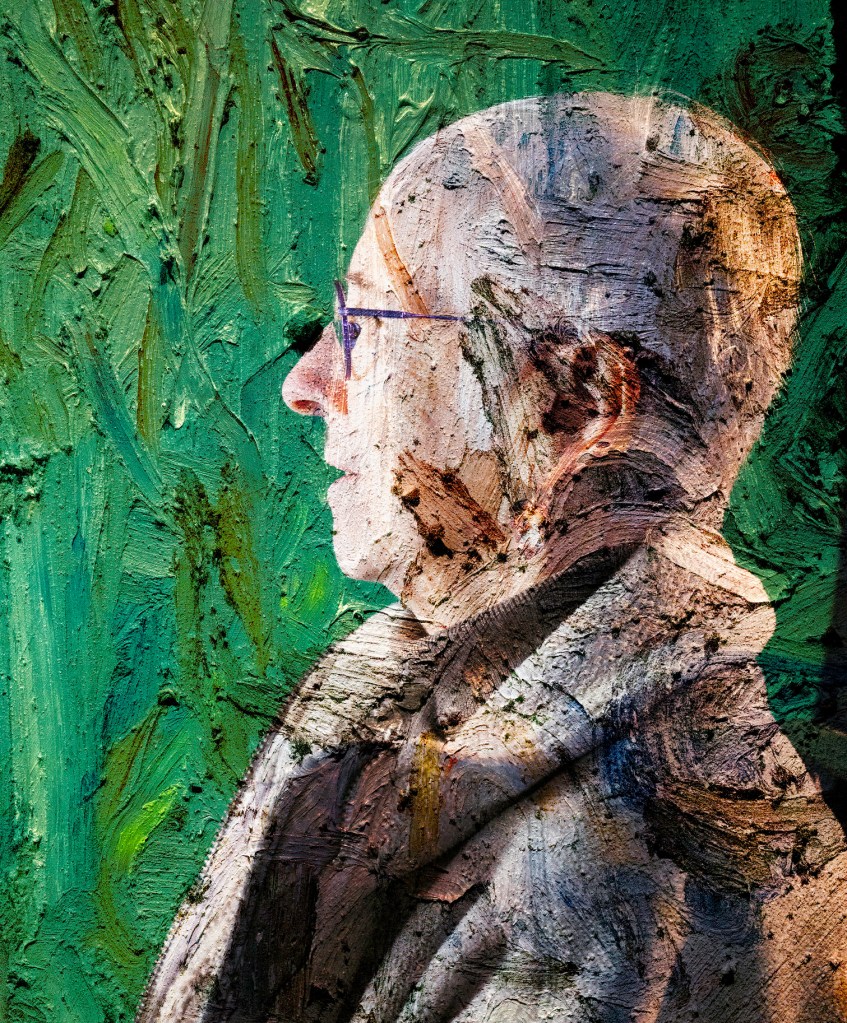
To be fair, many photographers in camera clubs do experiment with more exploratory techniques. Composites, intentional camera movement, and other forms of manipulation are increasingly common. Yet I sometimes wonder whether these approaches are still regarded as peripheral activities rather than central to what “serious” photography is supposed to be.
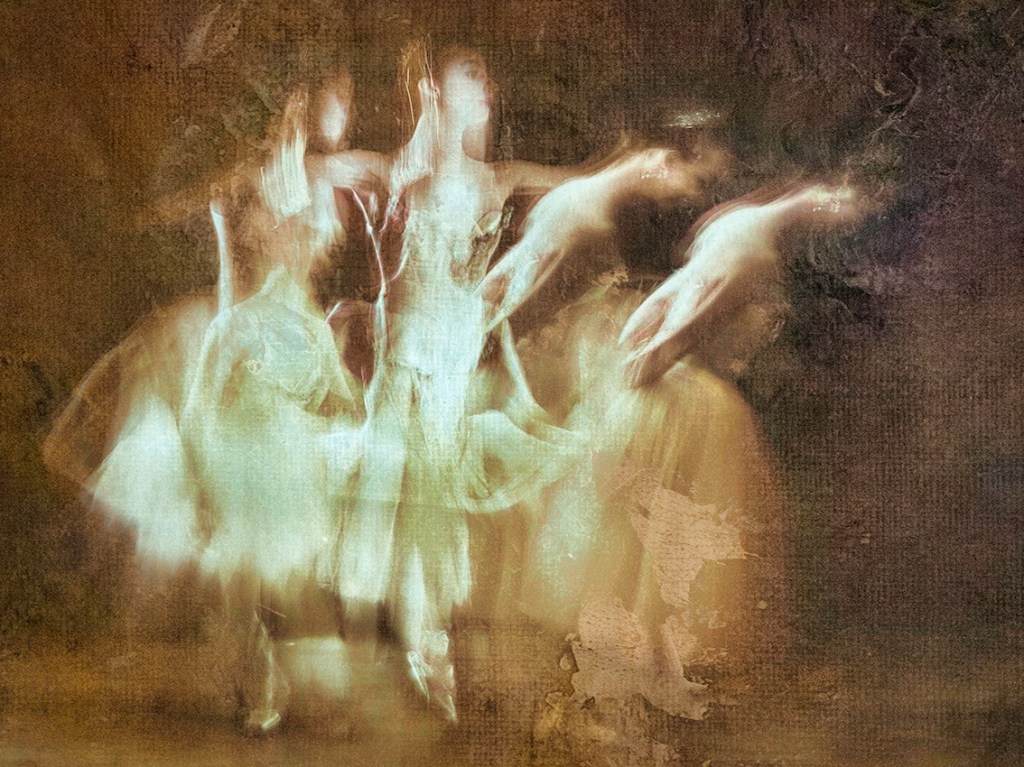
It is worth considering the work of artists who have pushed the medium in more imaginative directions. The ethereal long-exposure photographs of Olga Karlovac, for example, create dreamlike images that challenge conventional expectations of sharpness and clarity. Looking further back, the photograms of Man Ray demonstrate that photography does not even require a camera to be compelling.
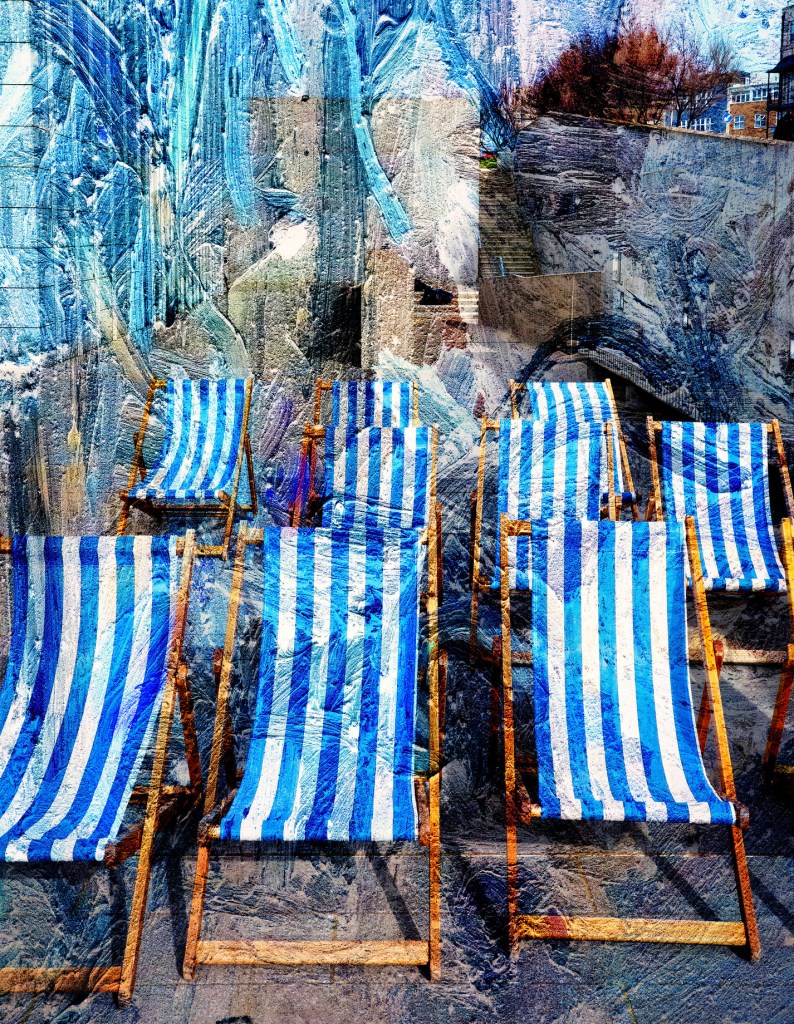
When photography enters into the kinds of conversations more commonly associated with painting, sculpture, or multimedia practice, it opens up a much richer creative territory. Photography can interact with other materials, processes, and artistic traditions.
Some might argue that once photography is mixed with other media it ceases to be “pure” photography. But I would argue the opposite. Photography has always been a hybrid process. The traditional darkroom method—light captured on film and then transferred to silver bromide paper—is itself a complex, multi-stage interaction between light, chemistry, materials, and craft.
Consider the work of Anna Atkins. Her cyanotype prints combine light, chemistry, pigment, and paper in a process that is both scientific and artistic. Few would deny that these works are photographic, even though they involve far more than simply pressing a shutter.
In this sense, photography may actually be just one element within a much broader creative practice. To narrow it into something we might call “pure” photography risks denying the medium its real power. Photography becomes most interesting when it forms relationships with other media and techniques.
The same might be said of creativity more generally. Human creativity rarely exists in isolation. It emerges through collaboration, dialogue, and shared influence. Artists are inspired not only by their own experiences and ideas, but also by the work, thoughts, and perspectives of others.
Perhaps photography should be understood in the same way—not as a closed discipline with strict boundaries, but as part of a wider creative ecosystem.
 Mark Waddington
Leave a comment