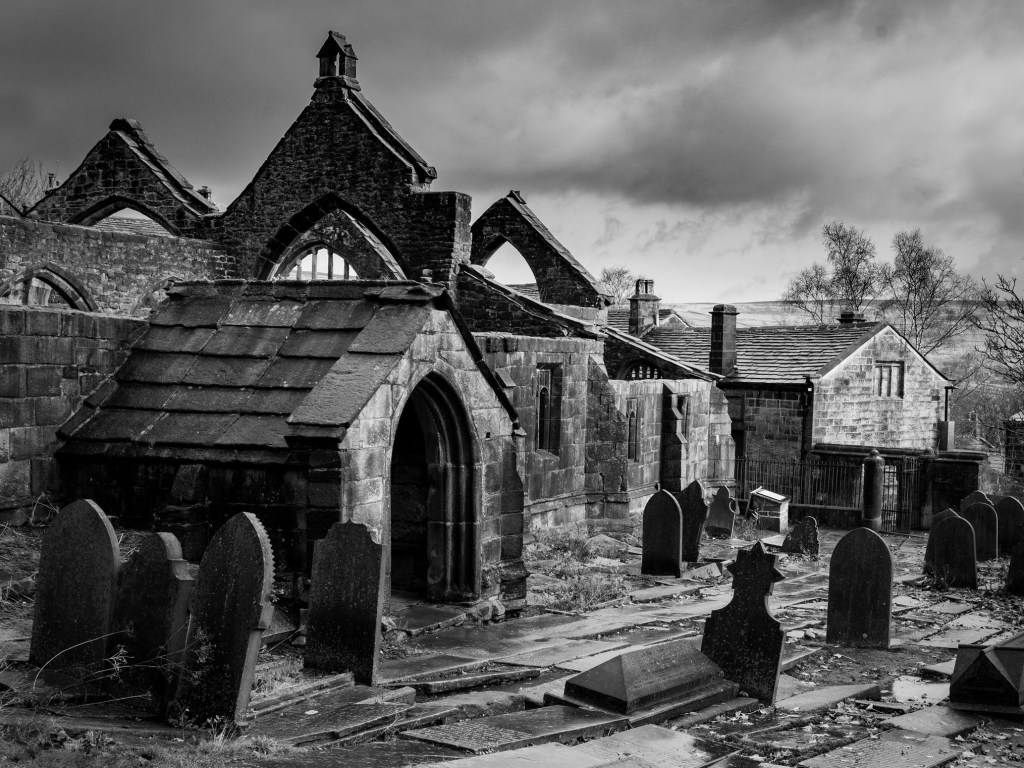
Amateur photography has often been characterised as an activity preoccupied with beauty. Susan Sontag, in On Photography, draws a distinction between photographs that console or please and those that interrogate or unsettle. Within amateur photographic culture, this emphasis on the “pretty picture” is undeniable. The creation of a visually pleasing image is widely regarded as a primary measure of success, reinforced through competitions, exhibitions, and club culture.
By contrast, within the art world, individual images are rarely judged in isolation. Greater value is often placed on a coherent body of work—an exhibition or long-term project that articulates a sustained idea or enquiry. Such bodies of work situate photographs within a broader life context, allowing meaning to accumulate over time. The photographer’s oeuvre, rather than the single image, becomes the primary site of interpretation.
Amateur photographers, however, tend to focus on refining individual images rather than developing long-term projects. The notion of a consistent body of work, formed slowly and organically, often appears less relevant or less attainable. Yet this difference may point not to a limitation, but to a largely overlooked strength.
The value of amateur photography may be significantly underestimated when considered collectively rather than individually. While individual images may not always announce themselves as “important,” the photographs produced by amateurs within any given year—across towns, villages, and neighbourhoods—can together form an extraordinarily intimate portrait of local life. These images are frequently made casually, without institutional pressure or professional expectation. Precisely because of this, they may be less contrived and more authentic than much professional work.
This suggests a need to reassess the cultural value of amateur photographers, including those working within camera clubs. Far from being a secondary or preparatory tier of photographic practice, amateur photography represents a vast and largely untapped seam of creativity. Its contribution lies not in competing with professional photography on professional terms, but in offering something fundamentally different.
The question, then, is how individual photographers—particularly those in organised amateur groups—might respond to this idea. How might they adopt a level of confidence that moves beyond the limitations implied by the term “amateur”? Rather than viewing amateur photographers as lesser practitioners, it may be more accurate to recognise them as photographers with unique access: to everyday life, to personal relationships, and to communities that are often closed to outsiders. Their work is typically less agenda-driven, less shaped by markets, commissions, or institutional expectations.
As the technical quality of amateur photography continues to rise—driven by increasingly sophisticated and accessible technology—there is a corresponding responsibility for those leading amateur groups to shift the emphasis of practice. Technical mastery alone is no longer enough. Greater encouragement should be given to storytelling, to personal significance, and to the sustained observation of familiar environments.
Too often, amateur photographers are drawn towards photographic tours, workshops, and so-called “honeypot” locations, implicitly reinforcing a sense that meaningful photography happens elsewhere. This may stem from a perceived inferiority, leading amateurs to mimic professional styles and subjects in the hope of producing work of greater value.
Yet it may be possible—and necessary—to reverse this logic. Amateur photographers, unconstrained by clients, deadlines, or the need to earn a living, are uniquely positioned to produce genuinely original and potentially groundbreaking work. Their access to private spaces, long-term relationships, and local narratives allows for insights into lived experience that are frequently unavailable to professionals.
This raises a provocative proposition for camera clubs and amateur communities: that photographers working at a local level might be elevated to a status that, in certain respects, surpasses that of many professional photographers. Not because they are more skilled, but because they are freer—and because their collective work has the power to articulate rich, nuanced, and deeply human accounts of contemporary life.
 Mark Waddington
Leave a comment